Notice

Archaeological deposits from caves and rock shelters of the temperate region
- document 1 document 2 document 3
- niveau 1 niveau 2 niveau 3
Descriptif
https://doi.org/10.34692/5nnf-7304
Thème 4 : Dialogue interdisciplinaire : grottes et abris sous roche / Interdisciplinary dialogue: cave sites
This paper aims to provide insights into and updates on the field characteristics and formation processes of archaeological deposits from karstic contexts. The main focus is on clastic infillings of caves and rock shelters in carbonate host rocks (limestone and dolostone) located in the temperate and Mediterranean regions of southern Europe. These deposits are usually described as characterised by crude stratification, a predominance of coarse angular fraction with a variable quantity of fine interstitial material and poor textural sorting (see, for instance, Woodward & Goldberg, 2017 or Mallol & Goldberg, 2017). This description matches the average features of clastic sediments found at cave entrances and rock shelters. Nonetheless, geoarchaeological field expertise shows that the characteristics of cave and rock-shelter stratifications are varied and may sometimes depart from this generalised model. A selection of case-studies from Portugal, Spain and Italy are presented here in order to describe some recurrent patterns of the sedimentary and post-depositional characteristics of the archaeological stratifications found in cave and rock shelters dating from the Pleistocene and the Holocene. The discussion will focus on the points as follows: the distinction between sediments from cave entrances and rock shelters with respect to the inner space of caves; the distribution of coarse clastic inputs and factors controlling their features in relation to the physico-chemical properties of the host rock; the characteristics of post-depositional features (among them, those related to bioturbation, secondary accumulation of carbonates or phosphates, redoximorphic processes and so forth), with respect to the layout and hydrologic behaviour of caves and rock shelters; the control exerted by microclimatic and environmental factors; the interrelationships between natural and cultural dynamics.
----
Cette communication présente des données actualisées sur les caractéristiques de terrain et les processus de formation des dépôts archéologiques en contexte karstique. L’accent est mis sur les remplissages clastiques de grottes et d’abris sous roche dans des roches carbonatées (calcaire et dolomie) situées dans les régions tempérées et méditerranéennes du sud de l’Europe. Ces dépôts sont généralement décrits comme étant caractérisés par une stratification grossière, une prédominance de la fraction angulaire grossière avec une quantité variable de matériel interstitiel fin et un mauvais tri textural (voir, par exemple, Woodward & Goldberg, 2017 ou Mallol & Goldberg, 2017). Cette description correspond aux caractéristiques moyennes des sédiments clastiques trouvés à l’entrée des grottes et dans les abris sous roche. Néanmoins, l’expertise géoarchéologique sur le terrain montre que les caractéristiques des stratifications des grottes et des abris sous roche sont variées et peuvent parfois s’écarter de ce modèle généralisé. Une sélection d’études de cas du Portugal, de l’Espagne et de l’Italie est présentée ici afin de décrire certains schémas récurrents des caractéristiques sédimentaires et post-dépositionnelles des stratifications archéologiques trouvées dans les grottes et les abris sous roche datant du Pléistocène et de l’Holocène. La discussion portera sur les points suivants : la distinction entre les sédiments des entrées de grottes et des abris sous roche en ce qui concerne l’espace intérieur des grottes ; la distribution des apports clastiques grossiers et les facteurs contrôlant leurs caractéristiques en relation avec les propriétés physico-chimiques de la roche hôte ; les caractéristiques des traits post-dépositionnels (notamment celles liées à la bioturbation, à l’accumulation secondaire de carbonates ou de phosphates, aux processus de redoximorphie, etc.), l’agencement et le comportement hydrologique des grottes et des abris rocheux ; le contrôle exercé par les facteurs microclimatiques et environnementaux ; les interrelations entre les dynamiques naturelles et les dynamiques culturelles.
----
Bibliographie
- Mallol, C. & Goldberg, P. (2017). Cave and rock shelter sediments. In: C. Nicosia & G. Stoops (eds.), Archaeological soil and sediment micromorphology (p. 359–381). Chichester : Wiley.
- Woodward, J. C. & Goldberg, P. (2001). The sedimentary records in Mediterranean rockshelters and caves: Archives of environmental change. Geoarchaeology, 16, 327–354.
Intervention / Responsable scientifique
Dans la même collection
-
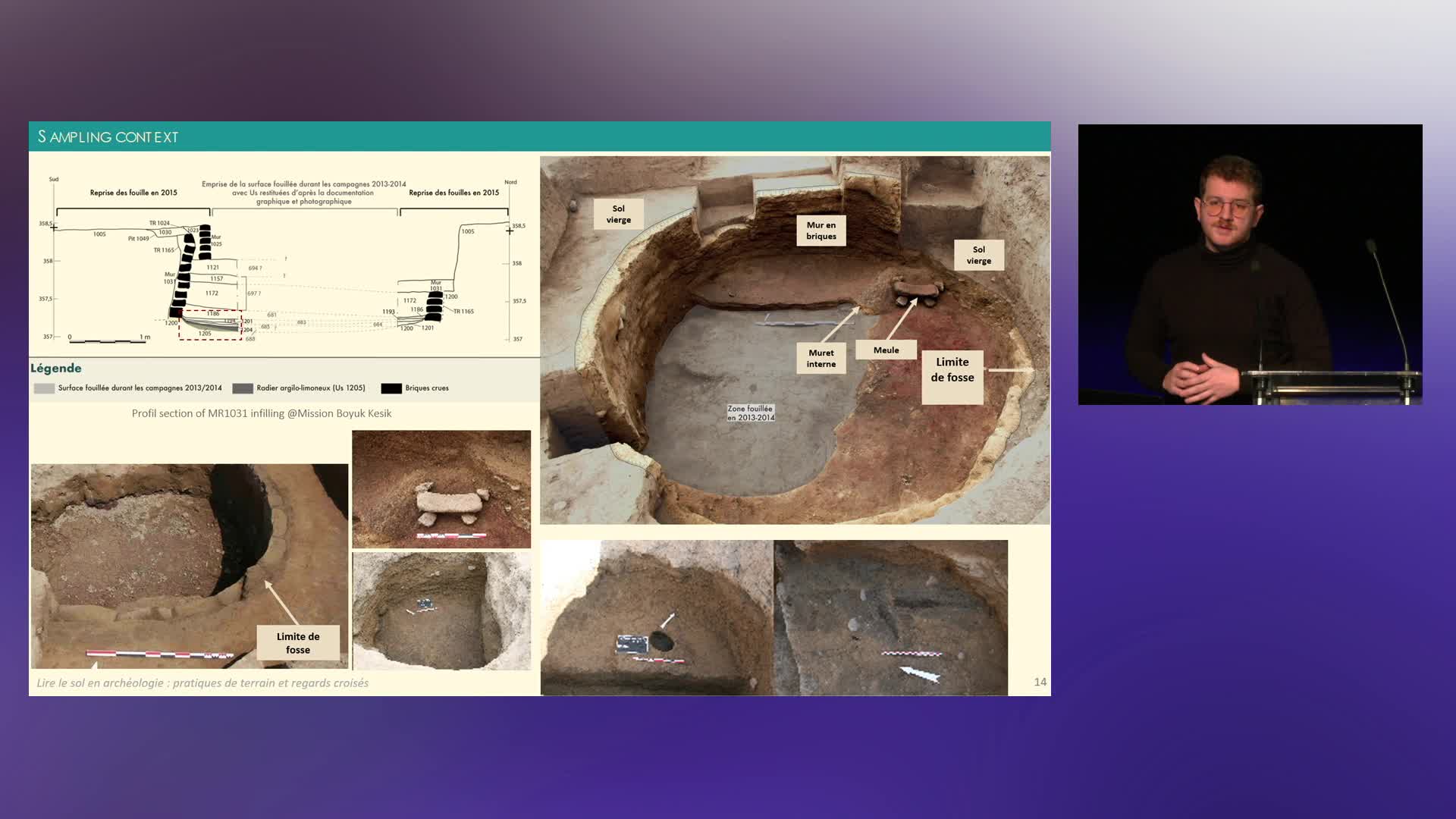
Regards croisées sur l’occupation d’un bâtiment néolithique dans le sud Caucase : observations de t…
BellatMathiasBaudouinEmmanuelCammasCéciliaDe récentes études sur le sud Caucase se sont intéressées à l’architecture des structures néolithiques à l’échelle macroscopique ou microscopique.
-
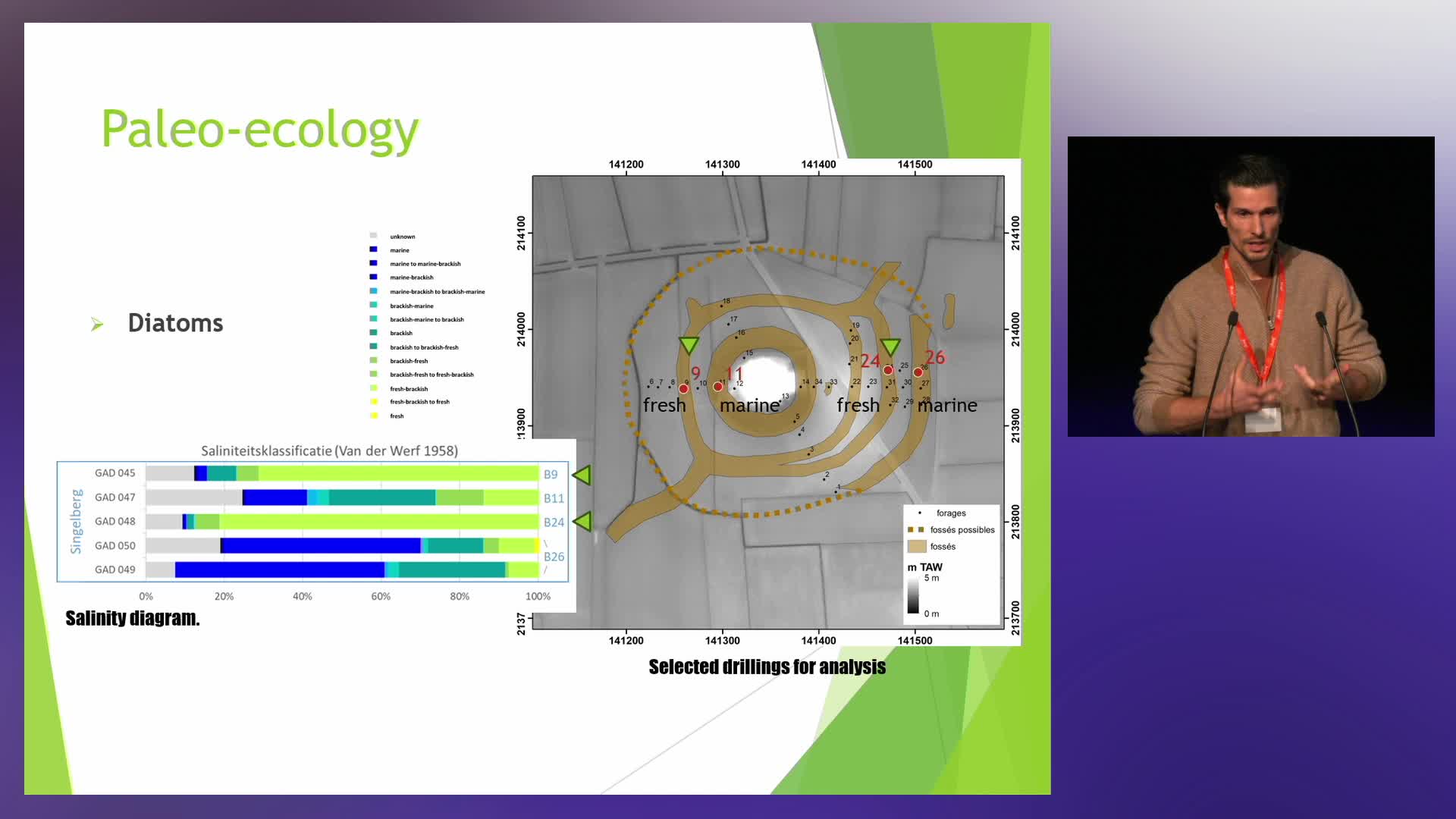
L’apport de la géoarchéologie dans l’étude des mottes castrales en Flandre, l’exemple du Singelberg
CruzFrédéricAllemeerschLucDe SmedtPhilippeHerremansDavyLalooPieterRozekJoachimStormeAnneliesVerheggeJeroenVergauweRubenEn Flandre, on note une intégration accrue de spécialistes (géologues, pédologues, géophysiciens) mobilisés dès les diagnostics pour évaluer le potentiel et la conservation des sites.
-
A section through a longbarrow at Ottenburg (B)
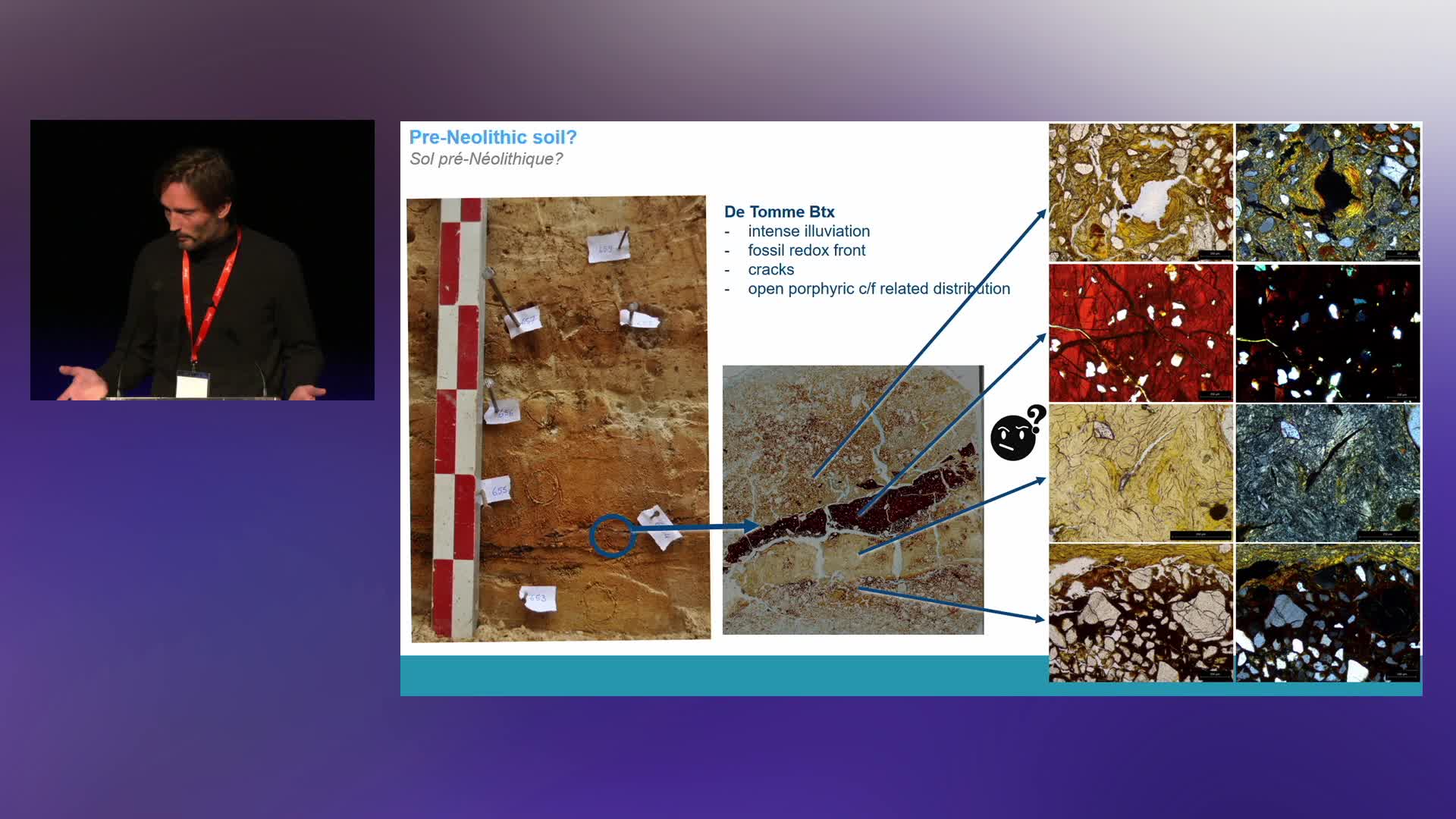
VanmontfortBartVancampenhoutKarenDondeyneStefaan« De Tomme » à Ottenburg (B) est une construction en terre de 120 m de long et 4 m de haut qui correspond à la définition d’un tumulus allongé préhistorique.
-
Érosion, activités biologiques, aménagements, comblement. Complémentarité des approches archéologiq…
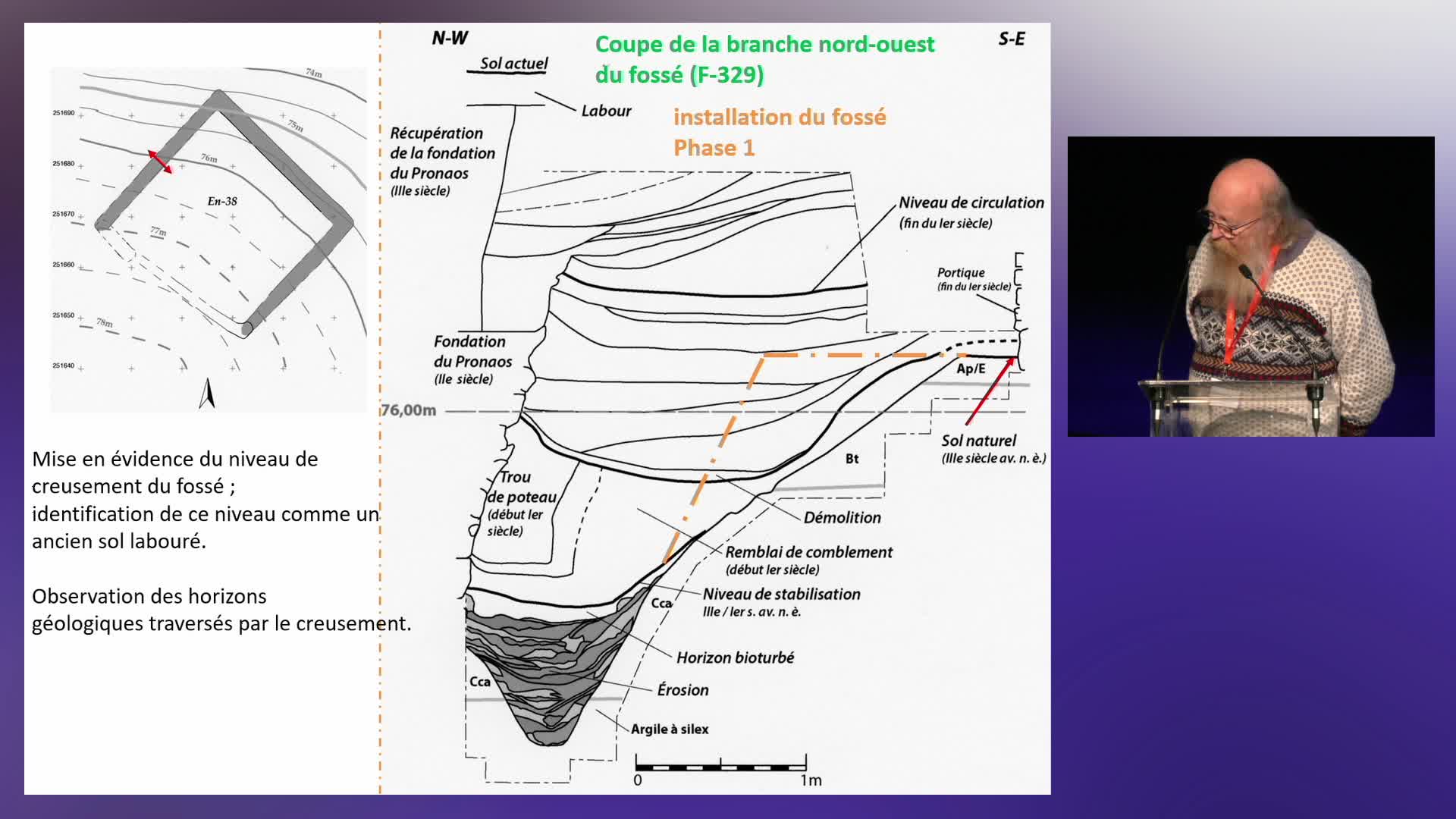
Fercoq du LeslayGérardFechnerKaiBroesFrédéricBosquetDominiqueLa lecture des traits stratigraphiques et pédologiques s’avère centrale pour comprendre la succession et la nature des événements ou activités associées directement à l’histoire d’un fossé.
-
Clôture et perspectives du colloque “Lire le sol en archéologie : pratiques de terrain et regards c…
DeákJuditFondrillonMélanieFechnerKaiBlinOlivierHusiPhilippeClôture et perspectives du colloque “Lire le sol en archéologie : pratiques de terrain et regards croisés”.
-
Discussion de fin de 3e journée du colloque « Lire le sol en archéologie »
Discussion de fin de 3e journée du colloque « Lire le sol en archéologie ».
-
Paramètres d’échantillonnage pour l’analyse en XRF
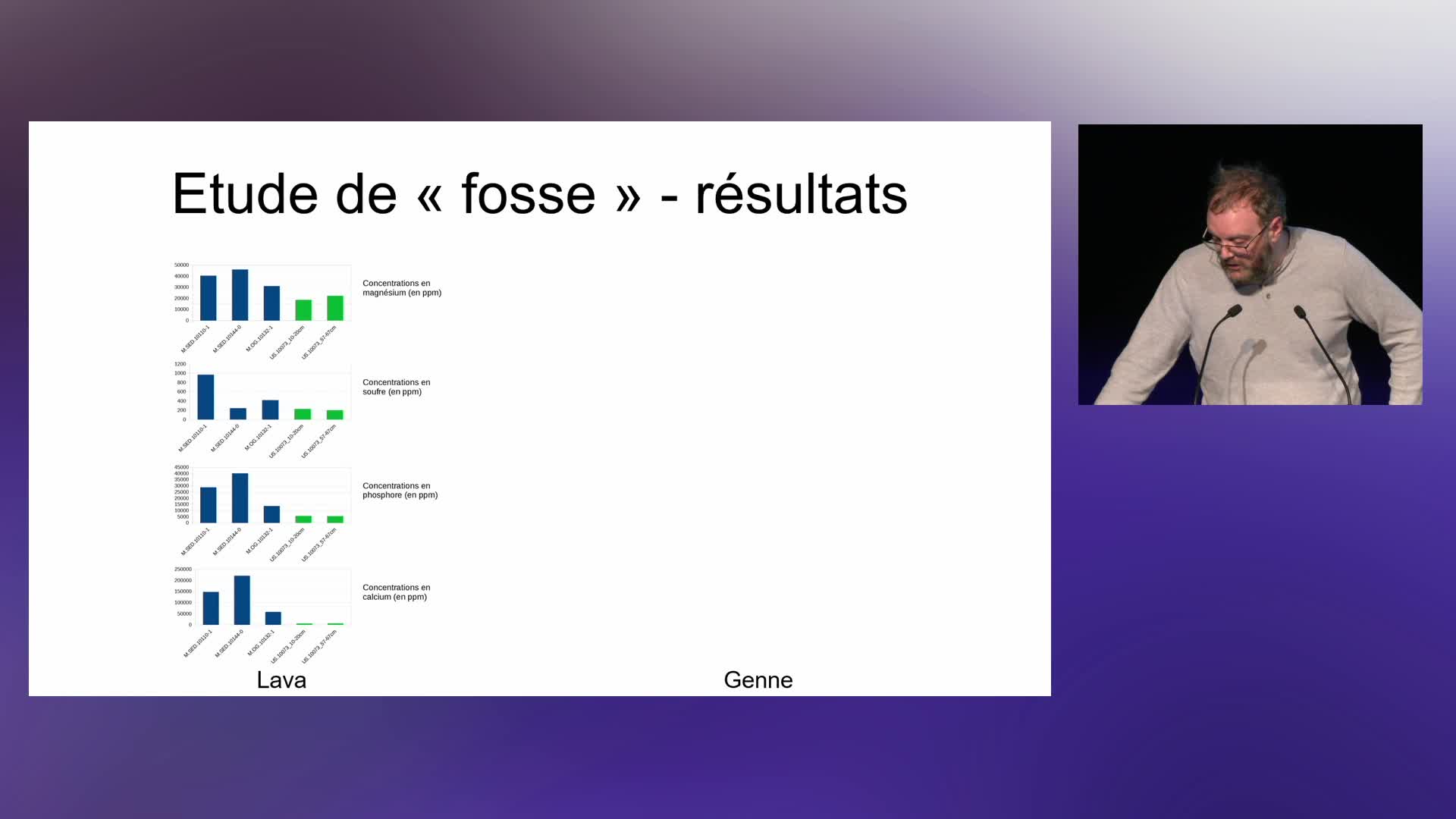
LaengerArthurMartelArnaudDurandAlineBoucherFabienLes activités humaines anciennes laissent des signatures chimiques dans les sols, dont l’identification sur les sites archéologiques permet de reconstituer ces activités.
-
Session de posters 3 (thème 8)
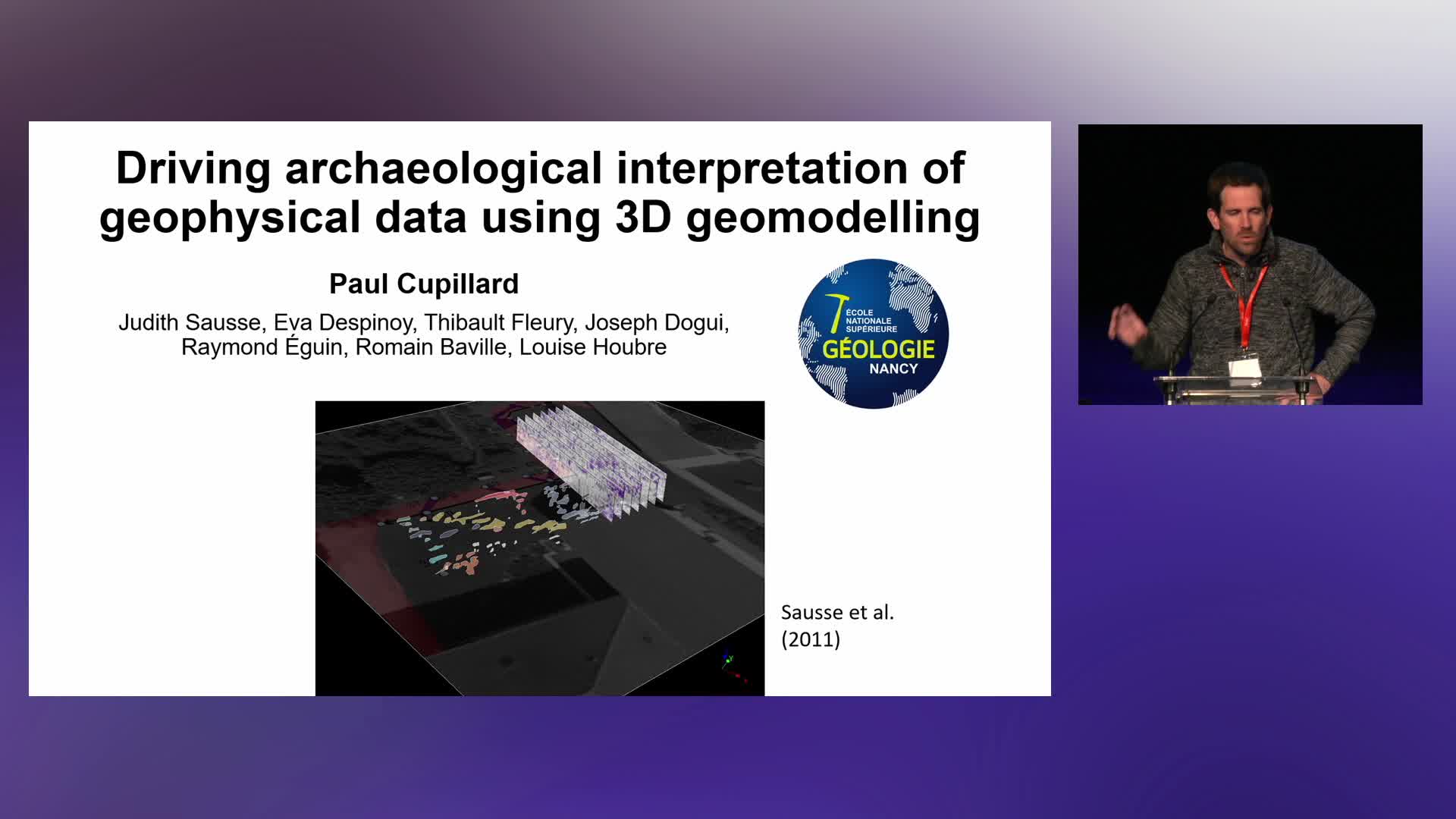
Laurent-DehecqAmélieFechnerKaiHulinGuillaumeCupillardPaulLaengerArthurBartholoméSandrineSimonFrançois-XavierPrésentation des posters du thème 8 (Nouveaux instruments pour le travail de terrain et l’enregistrement).
-
Don’t ditch the ditches! Moats and ditches as geoarchaeological and archaeobotanical archives in no…
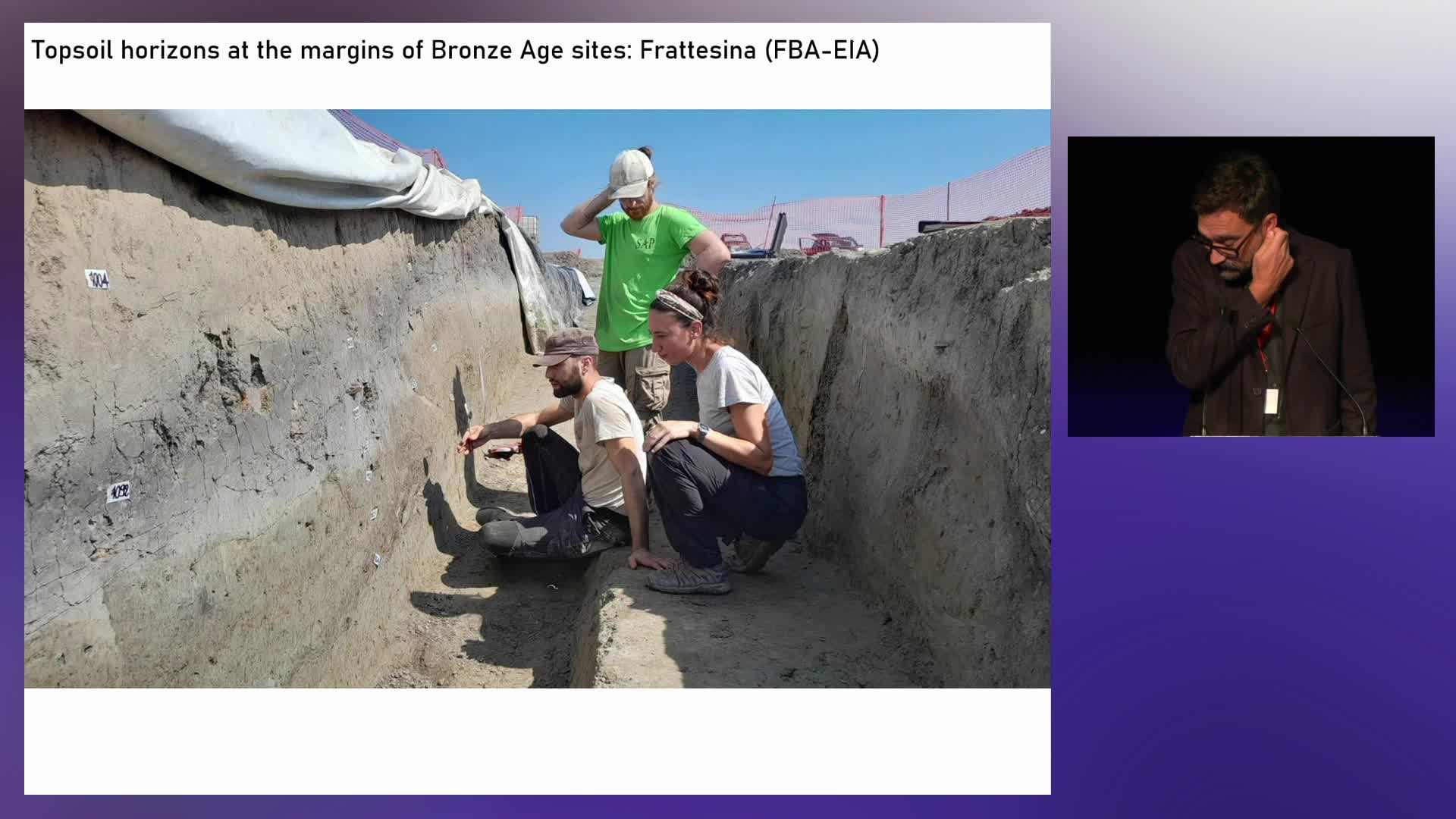
NicosiaCristianoBellintaniPaoloCardarelliAndreaCupitòMicheleD’AquinoSilviaDal CorsoMartaDe NeefWiekePiazzalungaGiorgioPoliscaFedericoSalzaniPaolaTinéVincenzoZaffainaElenaÉtude multidisciplinaire du remplissage sédimentaire des douves et des fossés de trois établissements cruciaux de l’âge du Bronze et du début de l’âge du Fer en Italie du Nord.
-
Utiliser un sixième sens pendant la fouille : la vision magnétique
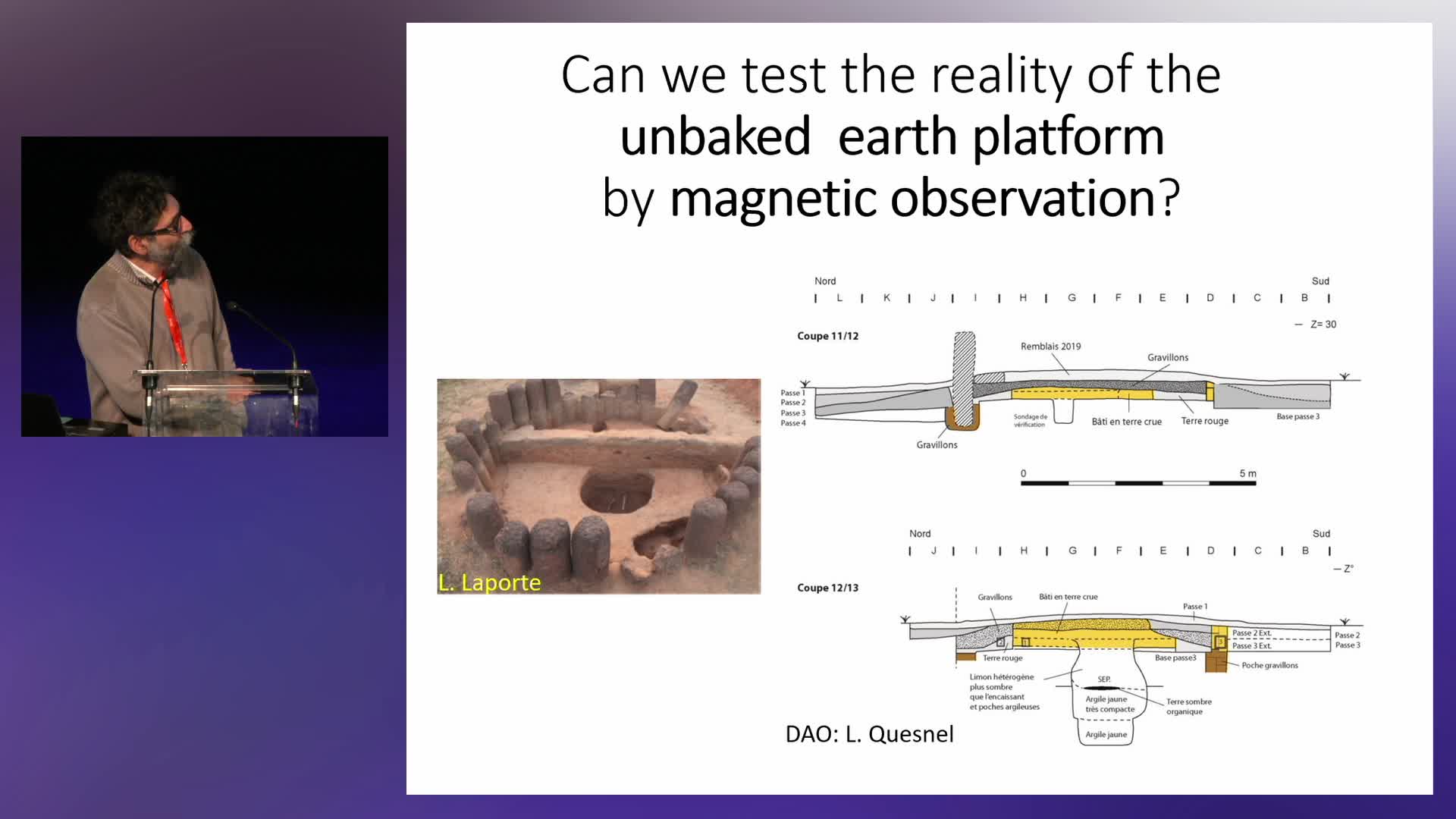
LévêqueFrançoisAriasPabloLaporteLucMarchandGrégorMestreMickaëlMoucheronMartinNdiayeMatarLors de la fouille, le sol est divisé en unités selon des critères perceptibles, complétés par des capteurs portables qui révèlent les variations des propriétés magnétiques.
-
Les outils géophysiques en pédologie : exemples et réflexions pour la cartographie de sols en arché…
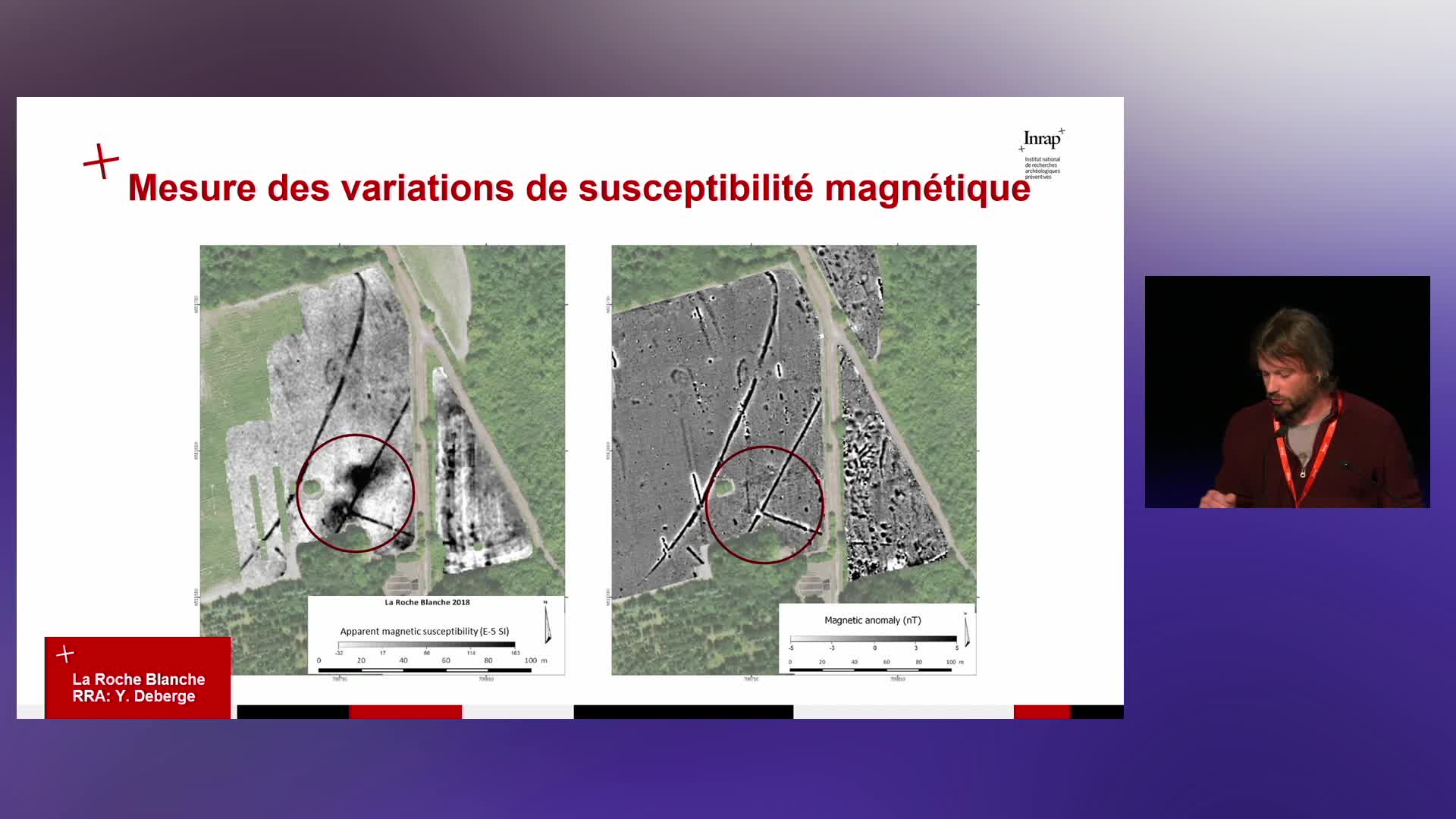
SimonFrançois-XavierHulinGuillaumeForesBenjaminThiessonJulienLa géophysique permet d’observer des phénomènes liés soit à des variations pédologiques intra-site, soit à des nappes sédimentaires ou à des niveaux en lien avec l’occupation du site.
-
Geophysical approaches to pedo-sedimentary studies in archaeology
VerheggeJeroenVeiranaGaston MendozaCornelisWimCrombéPhilippeGrisonHanaRensinkEelcoDe KortJan-WillemPiszMichałJakubczakMichałDe SmedtPhilippeUn des principaux défis de la prospection géophysique en archéologie est de prévoir si une structure produira un contraste détectable selon son contexte pédologique ou sédimentaire.

Avec les mêmes intervenants et intervenantes
-
Defining archaeological contexts in geoarchaeological field practice
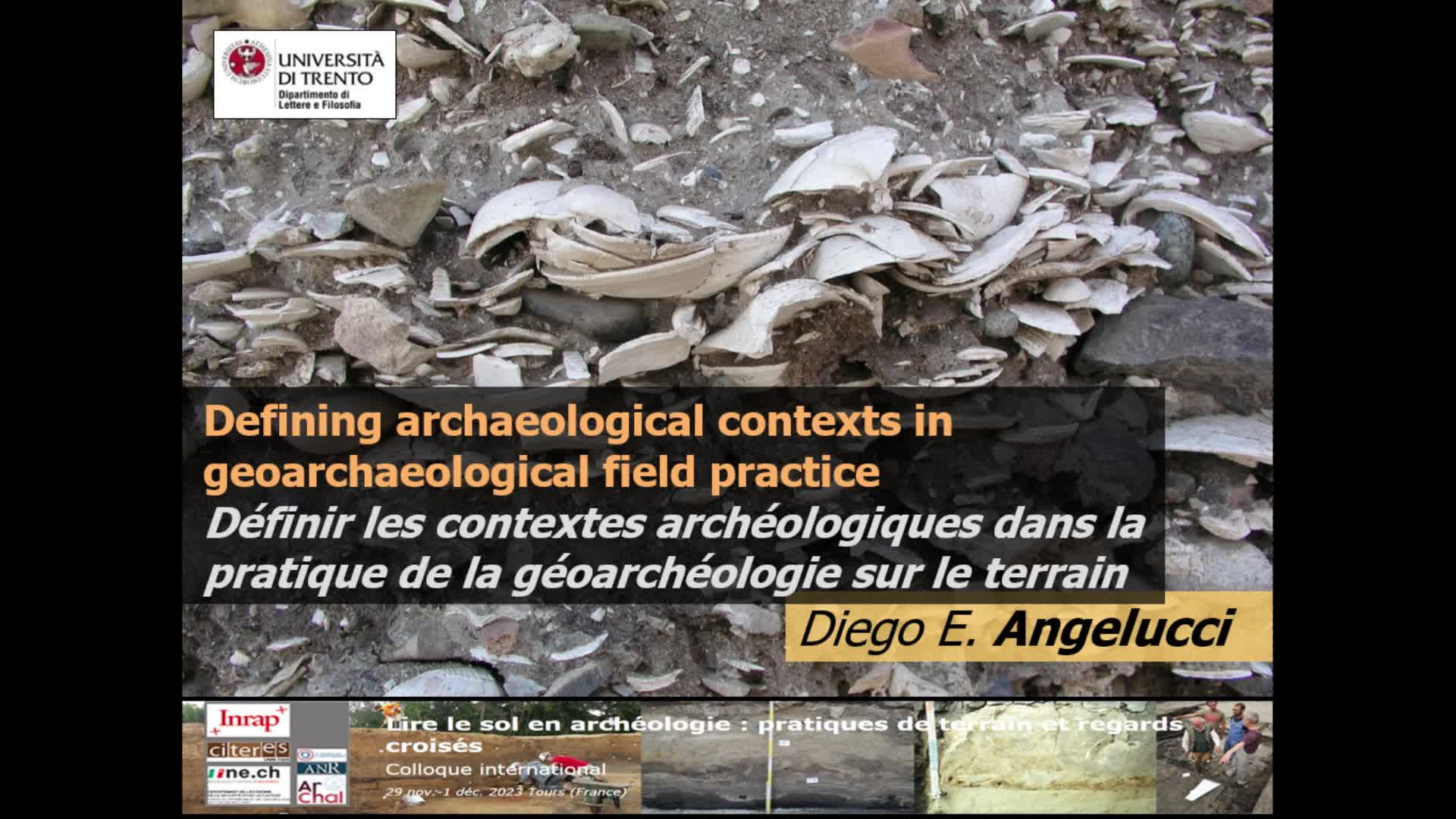
AngelucciDiego E.Les contextes définis par la pratique stratigraphique courante ne sont pas toujours adéquats pour faire face aux différentes situations et à la variété des cas rencontrés.
Sur le même thème
-
Changement climatique en Méditerranée et Afrique du Nord
TanarhteMeryemPourquoi la Méditerranée et l'Afrique du Nord se réchauffent-elles plus vite que le reste du monde ? Cette vidéo explore sécheresses, inondations soudaines et enjeux d'adaptation.
-
Conclusions - Colloque " La responsabilité environnementale des entreprises dans l'espace euro-méd…
RichardPascalMardi 25 février 2025 • Faculté de droit • Université de Toulon
-
Datations croisées par les méthodes uranium-thorium et 14C des voiles carbonatés en grotte ornée. C…
Pons-BranchuEdwigeSanchidrián TortiJosé LuisMedina-AlcaideMaria ÁngelesQuilesAnitaDumoulinJean-PascalTisnérat-LabordeNadineBarbarandJocelynNouetJuliusValladasHélèneLa datation des grottes ornées repose sur le croisement des méthodes ¹⁴C et U/Th appliquées aux pigments ou aux voiles carbonatés, dont l’analyse permet d’encadrer l’âge des représentations.
-
Datation radiocarbone de l’art pariétal au Laboratoire des Sciences du Climat et de l’Environnement…
Tisnérat-LabordeNadineThilFrançoisPhoutbanhdytBrianGélyBernardJaubertJacquesSánchezMiguel CortésPréciser la chronologie de l’art pariétal reste un challenge pour obtenir des dates fiables sans détériorer les œuvres peintes réalisées par l’Homme.
-
Le choc « Altamira ». Raisons et enjeux d’une résistance
GrososPhilippeLa grotte d’Altamira, en Cantabrie, fut la première grotte paléolithique ornée à être découverte...
-
Uniquement ce qui est accessible ? 5000 ans d’occupation humaine dans le canyon du Verdon
CastinThomasDepuis 2018, un important programme de recherches vise le canyon du Verdon et l’occupation préhistorique et protohistorique de celui-ci.
-
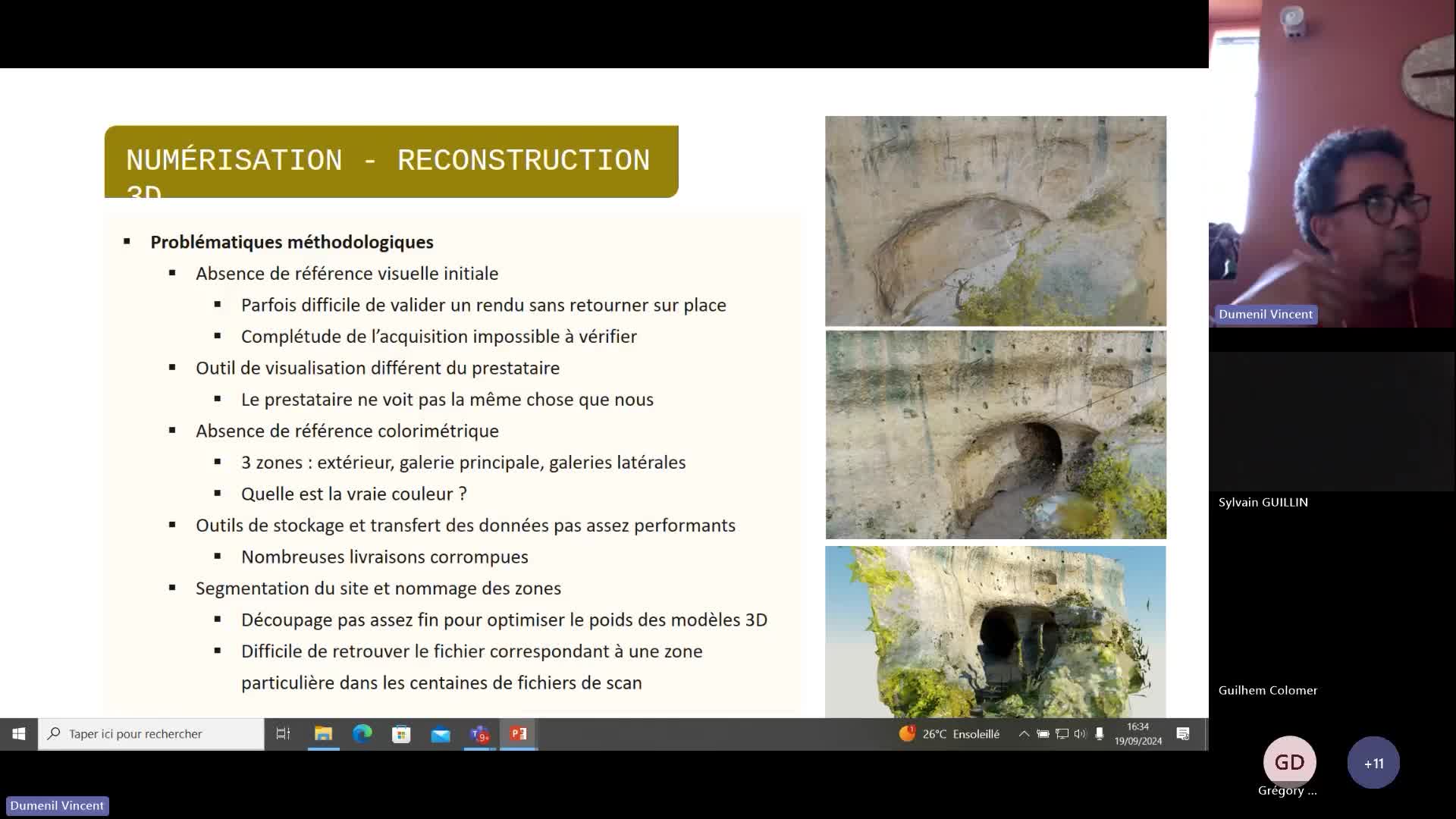
Numérisation de la grotte de Font-de-Gaume : un condensé des problématiques de la reconstruction 3D
BergeotPatrickEstavoyerMorganeMartinezMarcLa grotte de Font-de-Gaume a été choisie pour vérifier si, à partir d’un modèle 3D à visée technique et scientifique, il était possible de créer un modèle utilisable en médiation.
-
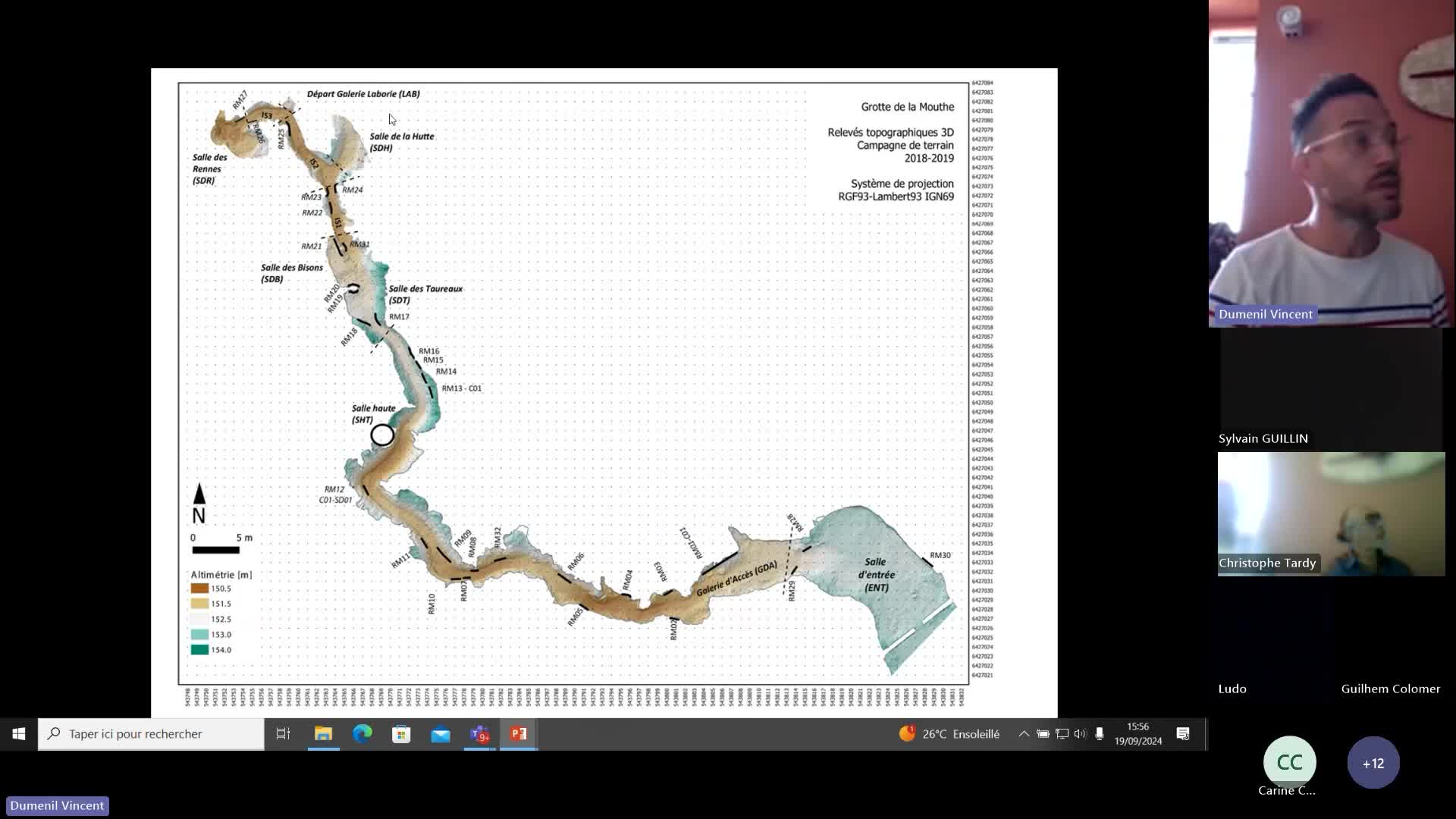
Une histoire de méthode : La grotte ornée paléolithique de La Mouthe (Dordogne)
PetrognaniStéphaneRobertÉricDécouverte il y a plus d’un siècle, la grotte ornée paléolithique de La Mouthe (Dordogne), reste mal connue.
-
Témoignage et présentation de la journée d'hommage à B. Morel
Baby-CollinVirginieLe 21 octobre 2022, la Maison méditerranéenne des sciences de l'homme et le laboratoire TELEMMe rendaient hommage à notre collègue Bernard Morel, pour la première année de son décès. Cette vidéo
-
Journée d'hommage à Bernard Morel - Introduction
Baby-CollinVirginieGirardNicoleLe 21 octobre 2022, la Maison méditerranéenne des sciences de l'homme et le laboratoire TELEMMe rendaient hommage à notre collègue Bernard Morel, pour la première année de son décès. Cette vidéo en
-
Partir de situations locales pour accompagner l’adaptation des forêts dans les arrière-pays médite…
PactonColineSession 3b : Prendre en compte les regards de la société/Taking society’s viewpoints into inccount
-
Perception et appréhension du risque naturel à l'Antiquité et au Moyen Âge (Parama)
Dumasy-RabineauJulietteLe projet PARAMA est un projet historique, archéologique et environnemental ayant pour but d’étudier la perception et l’aménagement des milieux spécifiques (humides, montagnards et forestiers) face au