Notice

Trying to understand the today's Mass Housing Administration (TOKI)
- document 1 document 2 document 3
- niveau 1 niveau 2 niveau 3
Descriptif
Conférence-débat
"Trying to understand the today's Mass Housing Administration (TOKI)"
Vendredi 28 janvier 2011 à 18h à l'IFEA
Ayşe Çavdar (economist and writer), Cihan Baysal (lawyer and activist), Ulus Atayurt (political commentator and writer, Express)
Introduction speech from Jean François Pérouse :
" Dealing/coping with TOKİ: a new challenge for urban studies in Turkey….
Just a small speech about the framework into which we are gathering here: to understand the transforming role of public bodies in the current urban transformations; and that in a comparative way. In fact we are witnessing a wonderful implication of so-called public bodies in the occurring processes.
In this respect, nowadays TOKİ, the Mass Housing Administration which is directly linked to the Prime Ministry, could be considered as a very striking body: this is a product of the state which embodies remarkably its structural transformations occurred the last years. TOKİ in fact means both the recentralization of housing policies in Turkey and the most incredible achievement of public-private cooperation.
Besides TOKİ has become a monster or a giant, symbolizing the success story of AKP: the current government indeed is using TOKİ as a tool of propaganda (especially on the eve of elections)
*In quantitative terms: As we can see on this slide between 2003 and the end of 2010 TOKİ has built 462 582 housing units; among them 193 456 for lower middle classes and middle classes, 125 277 for low income and poor families, 72 942 for upper classes, 53 547 for preventing illegal housing development, 13 311 after disaster housing units, and at least 4 501 for rural areas.
*TOKİ had got awards from United Nations… (for the transformation project of the Erzincan’s market)
*In terms of urban land portfolio: number one urban land owner in Turkey….
*In terms of media interventions: TOKİ is everywhere; abroad: in Venezuela, in Kuwait, in Romania, in Morocco, in Nigeria; TOKİ in the border with Irak, TOKİ in restoration sector, TOKİ is buildings the deputy housing units, TOKİ is the developer of the recently opened Galatasaray Team new stadium, TOKİ is doing villas for rich foreigners in the southern coast, luxurious villas near the Black Sea in Sinop …
*TOKİ is everywhere: no way to escape TOKİ; in 56 provinces all around the country ıth many many superlatives; “the biggest satellite-city in Turkey”: Kayabaşı…(Sunday) ; and furthermore TOKİ is leading in Istanbul 18 “Urban Transformation” projects ;
As a result, TOKİ is a monster, but a discussed monster, even inside the conservative ranks:
1. For instance recently an influent member of the Turkish Independent Businessmen Association (namely MÜSİAD) had clearly declared that TOKİ should get out of middle and upper class housing units production, at least because of illegal concurrence practices… “Hayat öpücük” or “ölüm öpücük” for the Turkish construction sector?
2. Discussed because its non-accountability (see Zafer Yükseler Fortune, March 2009 “Pandora Box”…) : 975 projects, 25 billions of TL….
3. Discussed because of its ambiguous statute ; see Esra Kaya, Birgün Newsweek, 12 04 2010 : “TOKİ, a private company inside the state.”
4. Because of its
authoritarian ruling methods; see Çağlar Keyder speaking about “The Diktat reign of Toki” ;
5. Because of architectural, esthetic reasons….; this is a huge standardization machine acting all around the country.
---So how to cope with the (uncontrolled) powerful Mass Housing Administration? Let’s see, in this context:
1)The genesis of a monster or the un-negociated recentralization of Turkish housing policy : initial competences, and progressive empowerment of a central agency.
2)The relationship with the private sector and the meaning of the "incomes sharing" (hasilat paylaşımı, geliştirme..) system's
3)And let’s understand TOKI through its first Istanbul implementations in Istanbul especially as an urban model-maker… with Ayazma case."
Avec les mêmes intervenants et intervenantes
-
Loss of modesty: the adventure of Muslim Family from Mahalle to Gated Communities
ÇavdarAyşeAyşe Çavdar, doctorante en Anthropologie culturelle à l'Université Viadrina Avrupa (Francfort) donnera une conférence ayant pour titre "Loss of modesty: the adventure of Muslim Family from Mahalle

Sur le même thème
-
Une formation à des techniques traditionnelles de pavage. Entretien filmé avec Jean-Luc Ecker et La…
SimonMiriamFilm réalisé dans le cadre d’un partenariat entre le master « Cinéma documentaire et anthropologie visuelle » de l’université Paris Nanterre et la revue In Situ du ministère de la Culture.
-
Heritage and the Metropolis I Round Table Collective landscape futures between memory, margins, and…
ContinAntonellaBandarinFrancescoTurnerMichaelSimonDavidBinaOliviaHuybrechtsÉricComment étudier et comprendre les métropoles et le patrimoine non comme de simples objets, mais comme des forces et des processus de changement ?
-
Heritage and the Metropolis I Heritage dynamics in the urban peripheries I Session 8
BoukhrisLindaCallensAlexandreSkąpskaHannaRoby-BramiAgnèsBégueryFannyFiumaniKatherineComment étudier et comprendre les métropoles et le patrimoine non comme de simples objets, mais comme des forces et des processus de changement ?
-
Heritage and the Metropolis I Heritage dynamics in the urban peripheries I Session 4
StoïcaRuxandra-IuliaNinninArmelleSaadiaSofianeComment étudier et comprendre les métropoles et le patrimoine non comme de simples objets, mais comme des forces et des processus de changement ?
-
Heritage and the Metropolis I Heritage dynamics in the urban peripheries I Session 5
LaloyauxSoniaComment étudier et comprendre les métropoles et le patrimoine non comme de simples objets, mais comme des forces et des processus de changement ?
-
Heritage and the Metropolis I Heritage dynamics in the urban peripheries I Session 3
García HernándezMaríaMolinié-AndlauerMarie-AlixDoustalyCécileComment étudier et comprendre les métropoles et le patrimoine non comme de simples objets, mais comme des forces et des processus de changement ?
-
Heritage and the Metropolis I Heritage dynamics in the urban peripheries I Session 2
du Réau de La GaignonnièreAlixComment étudier et comprendre les métropoles et le patrimoine non comme de simples objets, mais comme des forces et des processus de changement ?
-
Heritage and the Metropolis I Heritage dynamics in the urban peripheries I Session 1
FrenzelFabianRegaIsabellaComment étudier et comprendre les métropoles et le patrimoine non comme de simples objets, mais comme des forces et des processus de changement ?
-
Le repos en temps et en espaces précaires
ChauliacMarinaLa présente recherche interroge l'accès au repos, la fabrique de l'abri et les espaces et temps d’intimité dans des situations de non ou de mal-logement. Comme dans le cas de l'accès à l'eau, à l
-
Le projet MUSE : intégrer la multifonctionnalité des sols dans les documents d'urbanisme
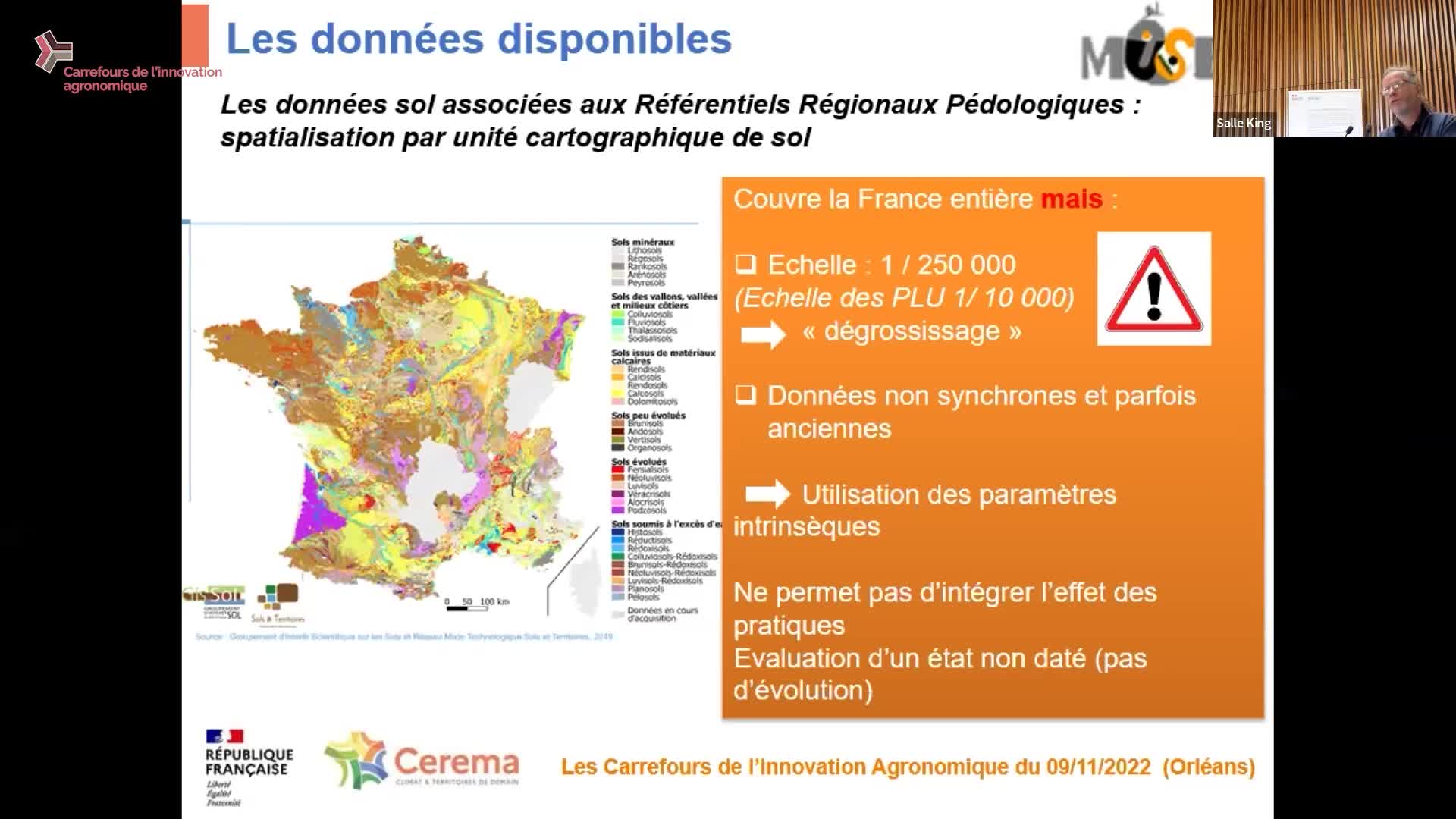
BranchuPhilippe[Qualité des sols] Séquence 6. Les indicateurs de qualité des sols dans les systèmes en transition. Trois expériences issues de projets de production d’indicateurs dans des situations contrastées.
-
Un paysage lugubre
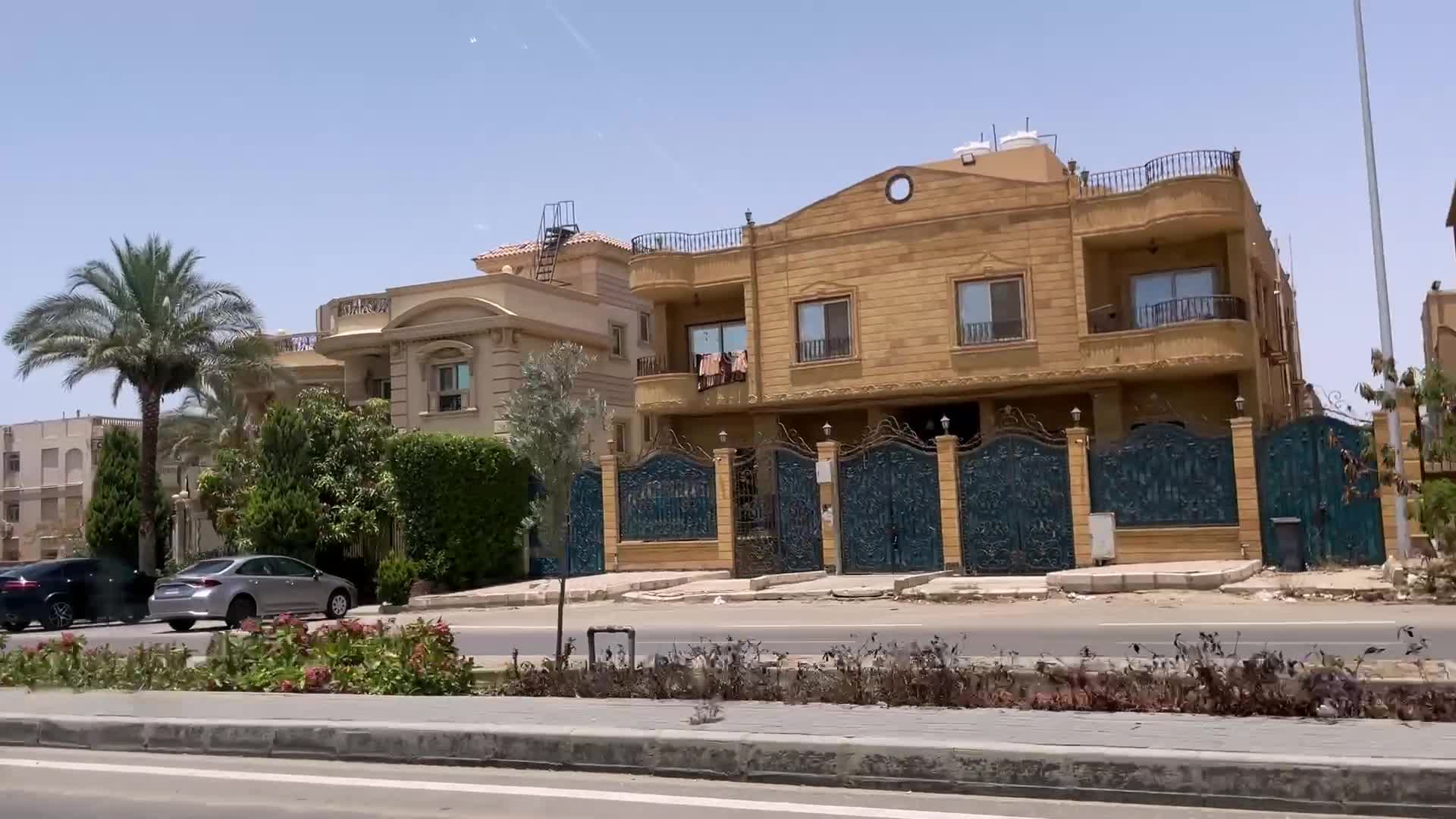
Pérez-HouisCortenSe déplacer au Caire, que ce soit à pied ou en voiture sur le périphérique, c'est être entouré de briques rouges, un matériau omniprésent dans l'urbanisation de la capitale égyptienne.
-