

Notice

EN-5. Various ways of reading biodiversity: appropriation, reinterpretation and dispute of a plural word
- document 1 document 2 document 3
- niveau 1 niveau 2 niveau 3
Descriptif
Elise Demeulenaere proposes an analysis framework to better understand the variety of nature and biodiversity appropriation modes. She gives several examples underlining this diversity: the biodiversity appropriation in a post-Rio context, and the tension related to the agricultural orientations and the GMO.
Thème
Dans la même collection
-
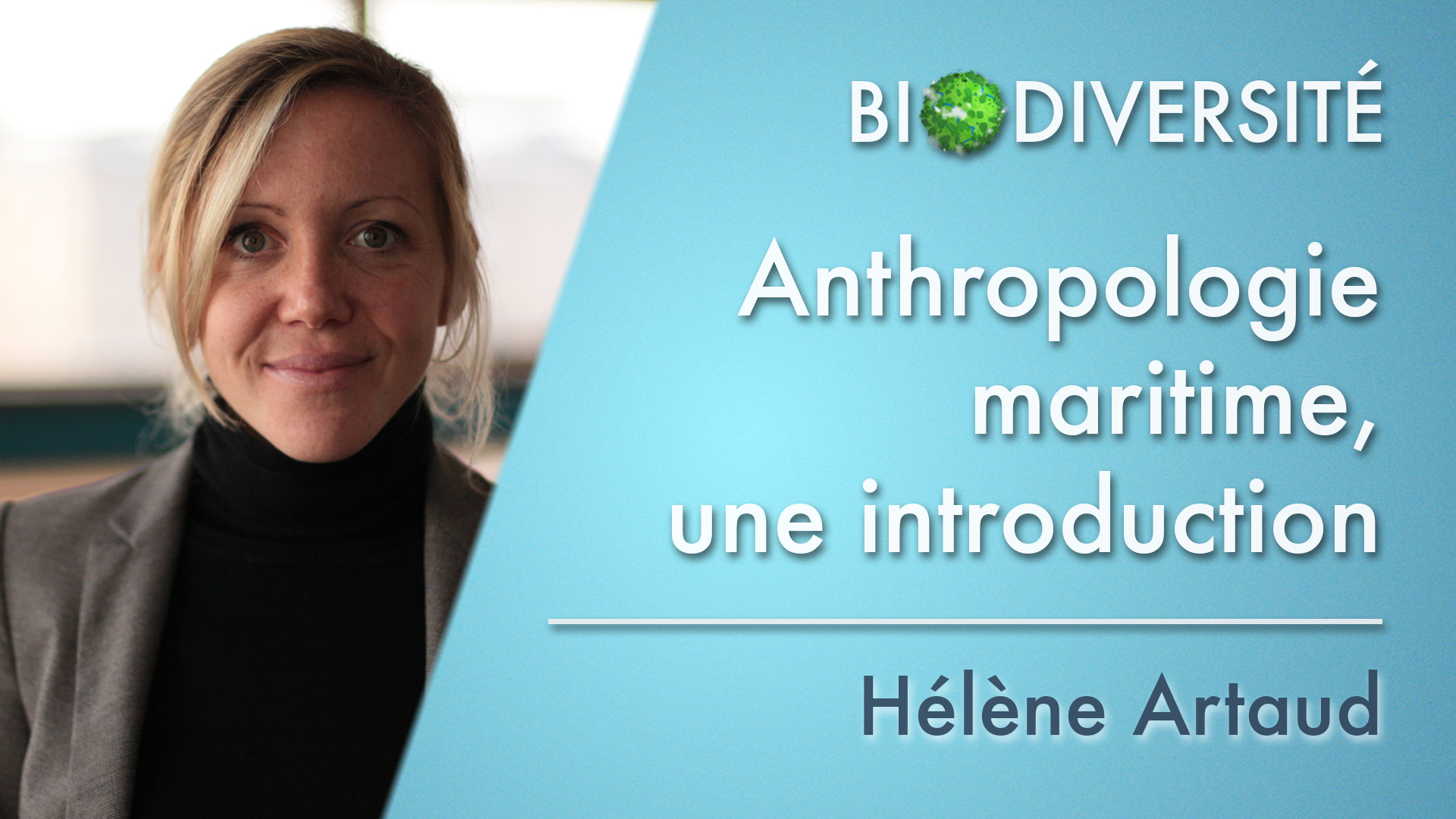
EN-6. Maritime anthropology, an introduction
ArtaudHélèneHélène Artaud presents the field of maritime anthropology, whose vocation is to study the nature and the diversity of relations between human populations and maritime areas. She highlights the
-
EN-9. Biodiversity and peace
BelaïdiNadiaNadia Belaïdi presents the Peace Parks, which are protected areas having an objective of biodiversity cross-border protection, of peace between populations sharing resources, and of local development.
-
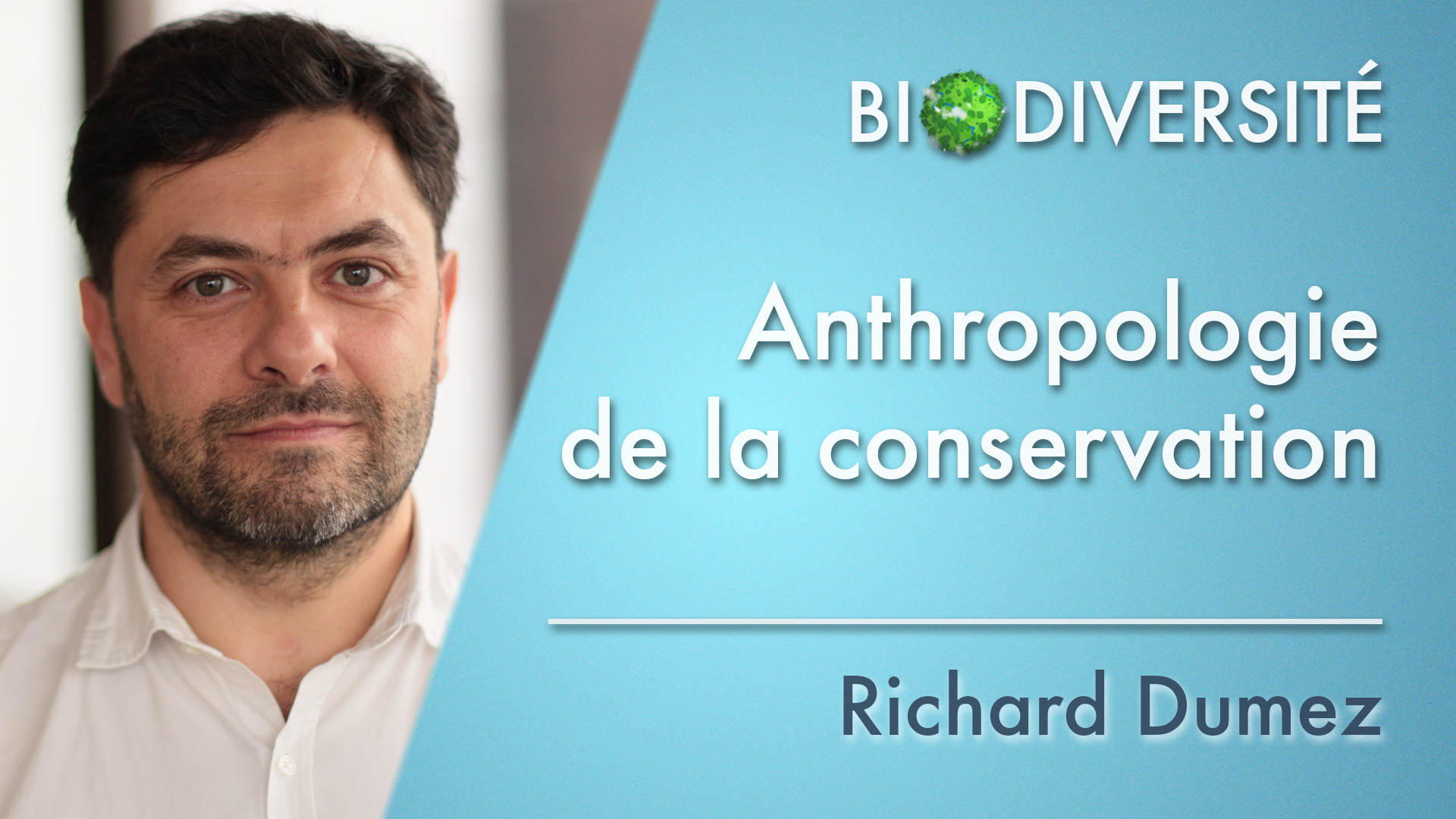
EN-7. Anthropology of conservation
DumezRichardRichard Dumez defines the anthropology of conservation, "crisis discipline" from the confluence of conservation biology, ethnoecology and nature anthropology.
-
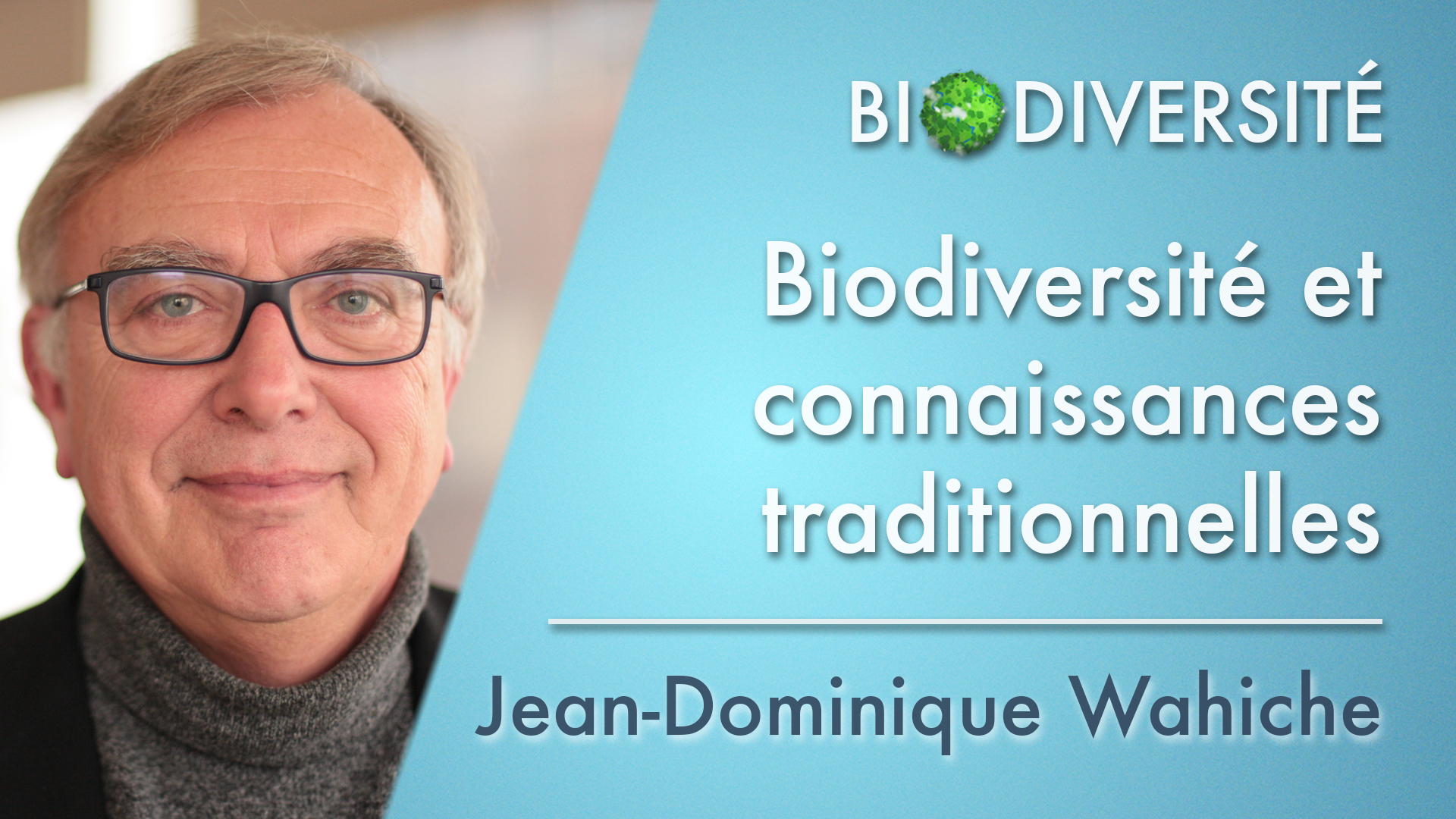
EN-10. Biodiversity and traditional knowledge
WahicheJean-DominiqueJean-Dominique Wahiche evokes the law of the biodiversity and of traditional knowledge. On the basis of a definition of the heritage notion, he recounts the history of international negotiations about
-
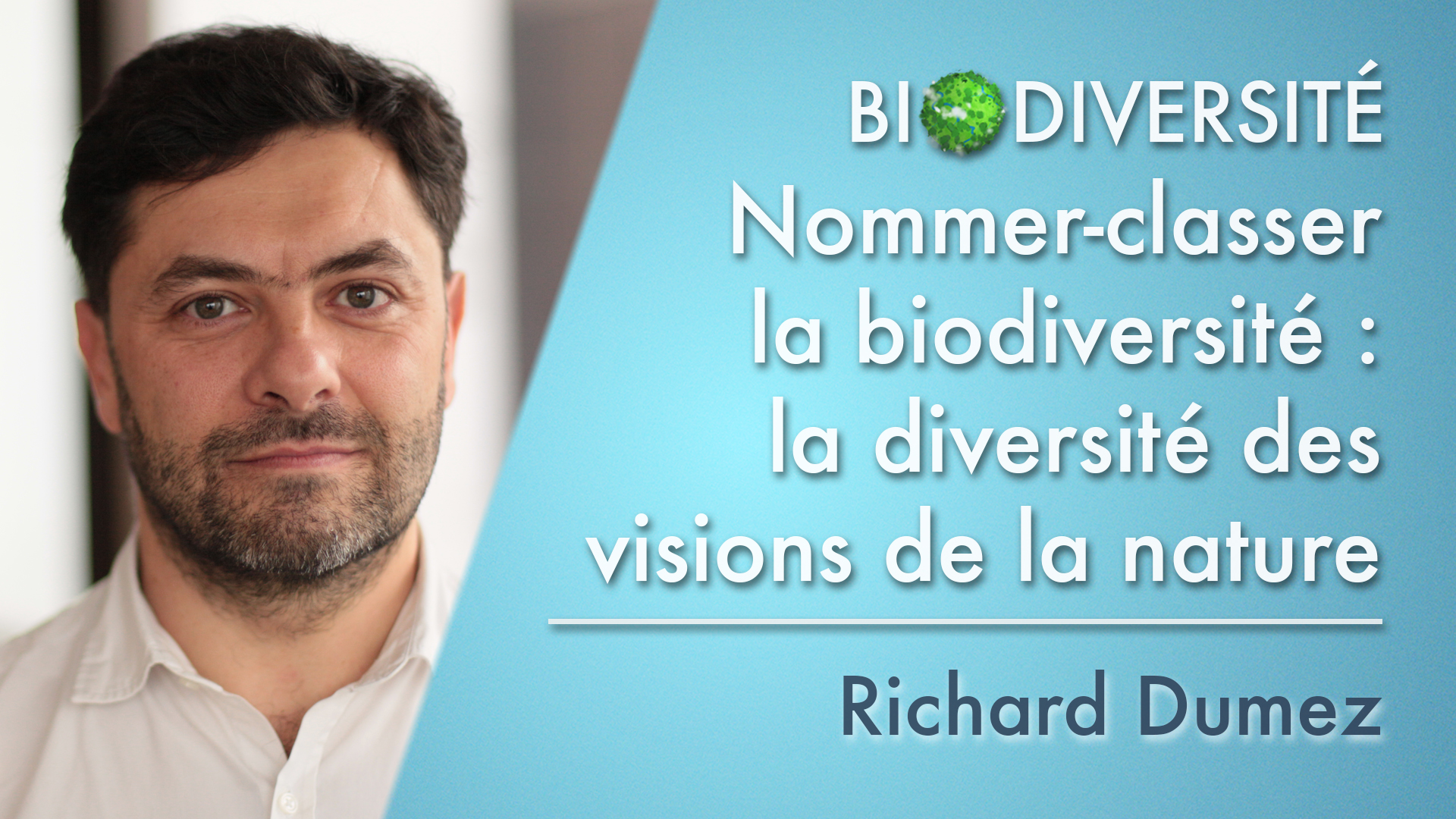
EN-4. Naming and classifying biodiversity: a diversity of the view of nature
DumezRichardThrough the study of the life classifications variety, Richard Dumez evidences the diversity of the views of the nature. Scientific classification, popular or vernacular classifications, he indicates
-
EN-8. Political ecology and protection of biodiversity
ChartierDenisDenis Chartier presents the scientific political ecology. After a reminder of the international context, he proposes a definition of this. In order to understand the contributions of this discipline,
-
EN-2. One single type of nature or several different types: the diversity of vision for nature.
BahuchetSergeSerge Bahuchet explains that the nature is the subject of different views and perceptions. He recounts the main scientific currents which were interested in this (nature anthropology, ethnoecology,...
-
Biodiversity and society - Introduction
The preservation of the biodiversity, and of the services it provides to the human societies, involves a large variety of stakeholders and looks. All the preservation strategies are linked to the
-
EN-3. Local and indigenous knowledge and biodiversity
Marie Roué mentions the native and loval knowledge, especially its expertise and its preservation. She presents the international legal context, then she talks about its diverse components: knowledge,
-
EN-1. Ways of life and biodiversity
BahuchetSergeSerge Bahuchet comes back to some crucial uses of the environment by the human populations: hunting, harvestinf, farming and agriculture. He evidences the complementarity of those uses, the
-
5. Biodiversité en société : appropriations, réinterprétations, contestations d'un terme pluriel
DemeulenaereEliseElise Demeulenaere propose un cadre d'analyse permettant de mieux comprendre la diversité des modes d'appropriation de la nature et de la biodiversité. Elle apporte plusieurs exemples mettant en
-
8. Écologie politique et préservation de la biodiversité
ChartierDenisDenis Chartier présente l'écologie politique scientifique. Après une remise en contexte international, il en propose une définition. Afin de bien comprendre les apports de cette discipline, il la






Avec les mêmes intervenants et intervenantes
-
5. Biodiversité en société : appropriations, réinterprétations, contestations d'un terme pluriel
DemeulenaereEliseElise Demeulenaere propose un cadre d'analyse permettant de mieux comprendre la diversité des modes d'appropriation de la nature et de la biodiversité. Elle apporte plusieurs exemples mettant en
Sur le même thème
-
Table ronde 1 : Production et maintien des ignorances dans les politiques publiques environnemental…
MagnaniSergioÉloyLudivineOrtizStefanToussaintMarieTable ronde 1 : Production et maintien des ignorances dans les politiques publiques environnementales
-
L'eau reste un angle mort des politiques climatiques
DouvilleHervéHervé Douville, chercheur HDR au Centre national de recherches météorologiques (Météo France et CNRS) et auteur du GIEC parle des effets du changement climatique sur le cycle de l'eau.
-
Géopolitique des forêts du monde : comment lutter contre la déforestation ?
Karsentyd’AlainAlain Karsenty, économiste au CIRAD, fait un point sur l'état de la déforestation des forêts tropicales dans le monde et en montre les multiples causes.
-
Changement climatique et qualité de l'air : interactions, synergies et antagonismes
Laval-SzopaSophieCe webinaire porte sur les relations qui existent entre le changement climatique et la qualité de l'air. Deux angles d'analyse sont proposés.
-
Agroforesteries : réintroduire l'arbre dans les espaces agricoles
Le CadreÉdithMettauerRomaneAprès une remise en contexte historique de la place de l'arbre dans les espaces agricoles, Edith Le Cadre, professeure d'agronomie à l'Institut Agro Rennes Angers, explique les fondements de l
-
Les haies dans les paysages agricoles : atout ou contrainte ?
AlignierAudreyCe webinaire porte sur les haies dans les paysages agricoles, et analyse leurs atouts et les contraintes.
-
Interview de Chloé Violon (Anthropologue à l'UMR PALOC) et Christine Raimond (Géographe au CNRS)
RaimondChristineViolonChloéInterview de Chloé Violon (Anthropologue à l'UMR PALOC) et Christine Raimond (Géographe au CNRS)
-
Interview de Saverio Krätli (Chief editor of the journal Nomadic Peoples)
KrätliSaverioInterview de Saverio Krätli (Chief editor of the journal Nomadic Peoples)
-
Interview de Matthew Turner (Géographie à l'Université du Wisconsin) et de Pierre Hiernaux (Ecologu…
HiernauxPierreTurnerMatthew D.Interview de Matthew Turner (Géographie à l'Université du Wisconsin) et de Pierre Hiernaux (Ecologue au CNRS)
-
Interview de Charles Grémont (Historien à l'IRD)
GrémontCharlesInterview de Charles Grémont (Historien à l'IRD)
-
Interview d'Adam Higazi (Anthropologue à l'Institut Yusufu Bala Usman au Nigéria)
HigaziAdamInterview d'Adam Higazi (Anthropologue à l'Institut Yusufu Bala Usman au Nigéria)
-
La santé, un levier pour les politiques climatiques
JeanKévinKévin Jean, professeur junior à l'ENS-PSL, présente dans cette vidéo les co-bénéfices, en matière de santé publique, de politiques d'atténuation du changement climatique.


